

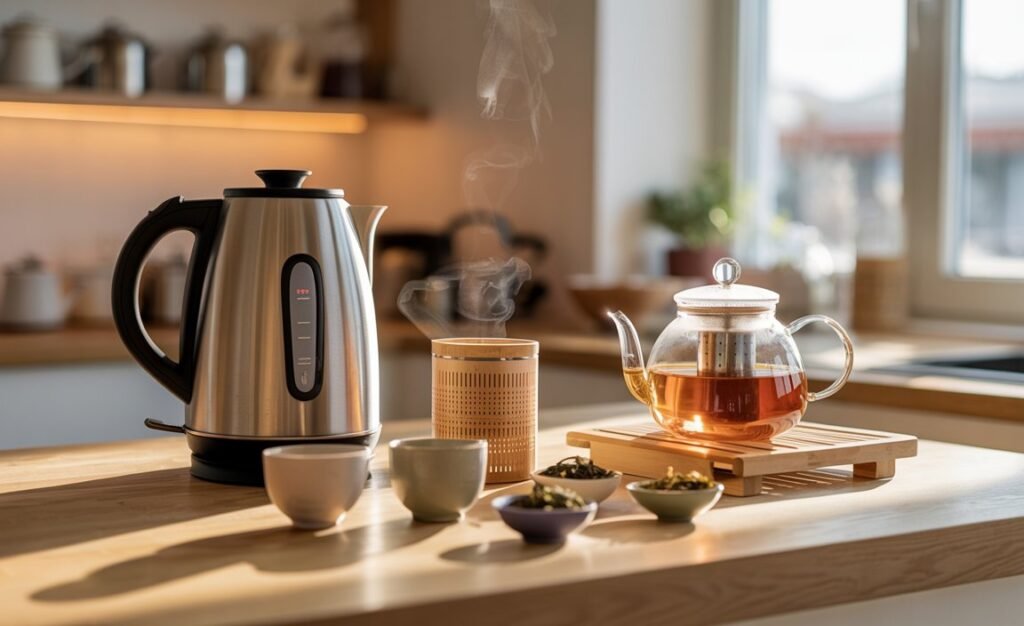
tea essentials are the foundation of a calm, enjoyable brewing routine and the key to creating a flavorful cup every time. Whether you drink tea occasionally or prepare it daily, having the right tools makes the process easier, cleaner, and more consistent. From heating water to steeping leaves and storing ingredients, each item plays a role in improving taste and convenience. This complete guide explores the tools, accessories, and setup ideas that help you build a practical tea station at home and choose what truly fits your kitchen, habits, and lifestyle.
Creating the perfect cup of tea doesn’t require complicated equipment. A few well-chosen items can transform the entire experience, helping you control temperature, steeping time, and flavor strength. Whether you’re just starting out or building a dedicated tea corner, understanding what matters most will help you make smarter choices.
Why the Right Tools Matter for Tea Preparation
Tea brewing is simple, but small details can change the result dramatically. Water temperature, steeping time, and the space leaves have to expand all influence aroma and taste. Using the proper equipment helps maintain consistency and prevents common mistakes like overheating delicate teas or over-steeping strong blends.
Good preparation tools also improve convenience. They reduce spills, simplify cleanup, and make daily preparation faster. Over time, a thoughtful setup becomes part of your routine, making tea preparation relaxing rather than rushed.
Core Tools Every Tea Lover Needs
A solid foundation begins with a few key items that handle the main steps: heating water, steeping leaves, and serving the drink.
1) Kettle (Electric or Stovetop)
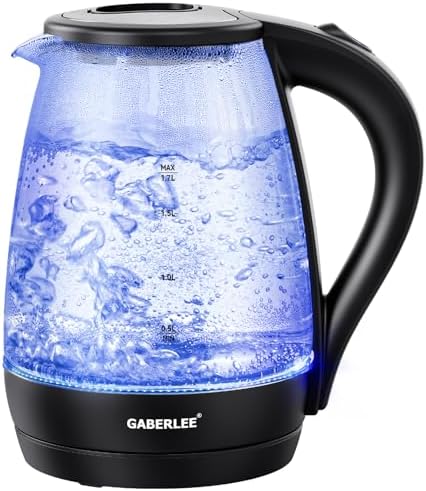
A kettle is a core tea essentials and the heart of tea preparation. It heats water quickly and safely while giving you control over brewing temperature.
Electric models are popular for convenience and speed. Many include adjustable temperature settings, allowing you to prepare green, black, oolong, or herbal teas correctly.
Stovetop kettles provide simplicity and durability. They are ideal for people who prefer minimal appliances and traditional brewing methods.
Key benefits of a good kettle:
- Fast and efficient heating
- Consistent temperature
- Safe pouring design
- Reliable daily performance
2) Teapot or Mug with Infuser
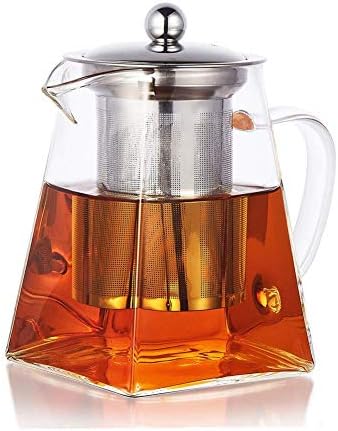
Loose-leaf tea needs space to expand and release flavor. A teapot or mug with a built-in infuser allows water to circulate freely, producing a fuller taste.
A teapot is ideal for multiple servings or shared tea moments, while an infuser mug suits single-cup routines.
Important features to consider:
- Heat retention
- Comfortable handle
- Easy pouring
- Removable infuser for cleaning
3) Tea Infuser or Strainer
An infuser keeps leaves contained while allowing water to pass through. Mesh baskets are practical for daily use and provide better extraction compared to small ball infusers.
Strainers are useful when pouring tea from a pot into a cup, preventing leaves from entering the drink.
Benefits include:
- Cleaner brewing
- Better flavor control
- Reduced mess
- Simple maintenance
4) Teacups or Mugs
The right cup enhances comfort and enjoyment. Choose heat-resistant materials and shapes that suit your drinking style.
Some people prefer large mugs for daily routines, while others enjoy smaller cups for slow, mindful sipping.
Helpful Accessories That Improve the Experience
Once the basics are in place, accessories can make tea preparation more organized and enjoyable.
Tea Tray
Keeps your brewing area tidy and collects spills or condensation. Especially useful for frequent tea drinkers.
Tea Towel
Absorbs drips and helps keep surfaces clean during preparation.
Thermometer
Different teas require specific temperatures. A thermometer helps maintain accuracy and prevents bitterness.
Storage Containers
Proper storage protects tea leaves from moisture, light, and odors. Airtight containers maintain freshness and flavor longer.
Understanding Different Types of Tea and Their Needs
Each tea type benefits from slightly different brewing conditions.
Green Tea
- Lower water temperature
- Shorter steeping time
- Delicate flavor
Black Tea
- Higher temperature
- Longer steeping
- Stronger body
Herbal Tea
- Boiling water
- Flexible steeping time
- Naturally caffeine-free
Oolong and White Tea
- Moderate temperature
- Balanced steeping
- Subtle aroma
Having tools that allow temperature and time control improves results across all varieties.
Minimalist vs Advanced Tea Essential
Many people start with a simple arrangement and expand over time.
Minimalist Setup
- One kettle
- One mug or teapot
- One infuser
This setup is practical, affordable, and perfect for beginners.
Intermediate Setup
- Temperature-controlled kettle
- Dedicated teapot
- Storage containers
- Tray and towel
Suitable for daily tea drinkers.
Advanced Setup
- Multiple teapots for different teas
- Precision tools
- Specialty teaware
- Organized tea station
Ideal for enthusiasts who enjoy exploring varieties and brewing techniques.
Choosing the Right Setup for Your Kitchen
Your space and habits should guide your choices.
Small Kitchens
- Compact electric kettles
- Stackable cups
- Minimal accessories
Daily Tea Drinkers
- Durable kettle
- Quality infuser
- Organized storage
Occasional Use
- Mug with strainer
- Simple kettle
- Minimal equipment
The goal is not to own every item but to build a setup that supports your routine.
Materials Matter in Tea Essentials
Different materials influence heat retention, durability, and taste.
Stainless Steel
- Durable
- Easy to clean
- Neutral taste
Glass
- Allows visibility during brewing
- Modern aesthetic
- Gentle heat retention
Ceramic
- Traditional feel
- Retains warmth well
- Suitable for teapots and cups
Choosing quality materials ensures long-term use and better brewing results.
Temperature and Steeping: Why Precision Matters
Overheating water can damage delicate leaves, while under-heating can reduce flavor extraction. Precision tools help you:
- Maintain correct brewing temperatures
- Avoid bitterness
- Preserve aroma
- Improve consistency
Even simple adjustments can dramatically enhance taste.
Storage and Freshness
Tea quality depends heavily on storage conditions.
Best practices:
- Use airtight containers
- Keep away from sunlight
- Avoid humidity
- Separate strong aromas
Proper storage preserves flavor and extends shelf life.
Building a Tea Corner at Home
A dedicated tea space improves organization and makes brewing more enjoyable.
Ideas include:
- Small shelf for teaware
- Drawer for accessories
- Countertop tray setup
- Decorative storage jars
This creates a routine and encourages regular tea moments.
Benefits of a Well-Equipped Tea Routine
Consistency
Using the same tools produces predictable results.
Efficiency
Preparation becomes faster and cleaner.
Relaxation
The brewing process becomes a calming ritual.





Flavor Improvement
Better equipment supports better taste.
Common Mistakes to Avoid
Many beginners make similar errors:
- Using boiling water for all teas
- Over-steeping leaves
- Storing tea in open containers
- Buying unnecessary tools
- Ignoring cleaning and maintenance
Understanding these pitfalls helps build a better routine.
Cleaning and Maintenance
Regular care keeps tools functional and hygienic.
- Rinse infusers after each use
- Clean kettles periodically
- Dry teapots completely
- Avoid residue buildup
Well-maintained equipment lasts longer and performs better.
Budget vs Premium Tea Essentials
Budget Options
- Suitable for beginners
- Practical and functional
- Good for occasional use
Premium Options
- Better materials
- Longer lifespan
- Improved heat retention
- Enhanced brewing precision
Choosing depends on frequency and interest level.
When to Upgrade Your Setup
You may consider adding new tools when:
- You drink tea daily
- You explore different varieties
- You want better flavor control
- Your routine becomes more consistent
Upgrading gradually ensures each addition has real value.
Tea Essentials for Different Lifestyles
Different routines require different approaches.
Busy Professionals
- Fast electric kettle
- Mug with infuser
- Minimal cleanup tools
Families
- Large teapot
- Multiple cups
- Organized storage
Enthusiasts
- Temperature control tools
- Specialty teaware
- Dedicated brewing space
Matching tools to lifestyle improves usability.
Long-Term Value of the Right Setup (tea essentials)
Investing in reliable equipment supports:
- Better taste
- Consistent brewing
- Reduced replacement costs
- Enjoyable daily rituals
Over time, the right arrangement becomes part of your routine rather than just another kitchen task.
Final Thoughts
Tea preparation is not about collecting every possible accessory—it’s about choosing the right tea essentials that make brewing simple, enjoyable, and consistent. Starting with a kettle, a brewing method, and a cup is enough for excellent results. As your preferences evolve, you can refine your setup with storage solutions, precision tools, and additional teaware that complement your core tea essentials.
The best approach is practical and personal. Focus on your habits, available space, and how often you prepare tea. Whether you enjoy a quick morning cup or a relaxed evening ritual, the right tea essentials help transform tea preparation into a satisfying daily experience.
With a thoughtful setup and a few reliable tools, preparing tea becomes easier, more organized, and far more enjoyable—turning a simple drink into a comforting part of everyday life supported by practical tea essentials.
A kettle is the foundation of tea preparation. It heats water quickly and safely, and temperature-controlled models help you brew different teas properly, making it one of the most important tea essentials in any kitchen.