
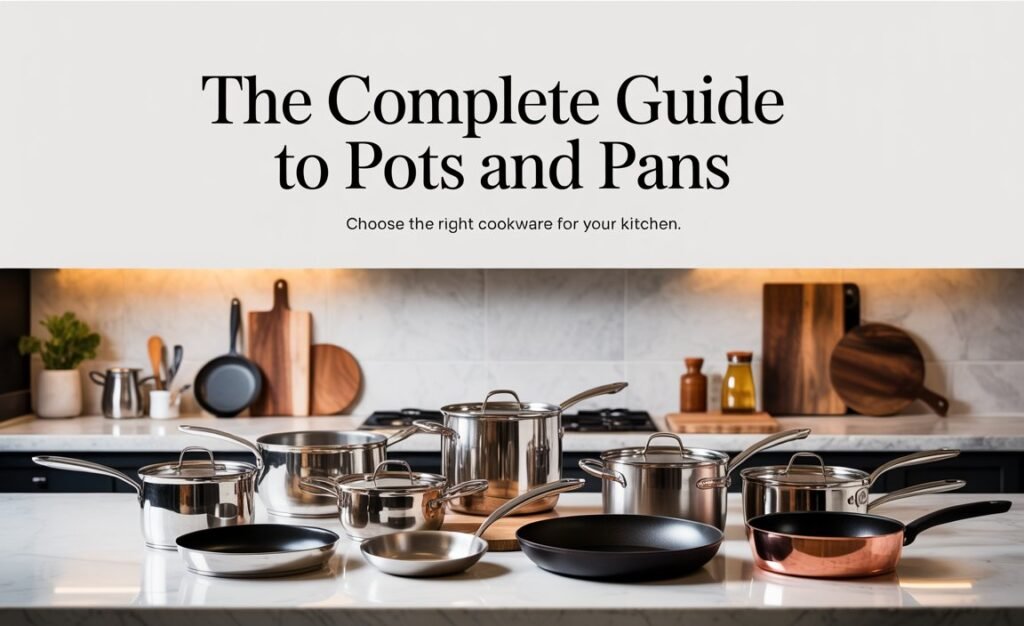
The Ultimate Guide to Pots and Pans: How to Choose the Right Cookware for Your Kitchen
Pots and pans are the foundation of every kitchen. Whether you cook daily or occasionally, the right cookware affects how evenly your food cooks, how easy it is to clean, and how enjoyable the experience feels. Having the proper cookware makes the difference between a frustrating cooking session and a smooth, enjoyable one. This guide helps you understand the different types of pots and pans, materials, sizes, and features, so you can select what best fits your cooking style and kitchen needs.
Cooking isn’t just about ingredients; it’s also about the tools you use. The right pans can prevent sticking, support even cooking, and help you prepare recipes with confidence. From breakfast eggs to slow-cooked dinners, knowing which pieces to invest in saves time, money, and effort.
What Are Pots and Pans?
Pots and pans include essential cookware pieces such as saucepans, frying pans, sauté pans, stockpots, and skillets. Each piece is designed for a specific task—from boiling and simmering to frying, searing, and slow cooking.
Using cookware that fits the cooking task makes a huge difference. For example:
- A saucepan is perfect for delicate sauces and grains
- A sauté pan offers more surface area for browning and one-pan meals
- A stockpot is ideal for soups, stews, and large batches
Choosing the right combination ensures versatility in the kitchen without clutter. Understanding their purpose helps you avoid buying unnecessary or redundant pieces.
Common Types of Pots and Pans
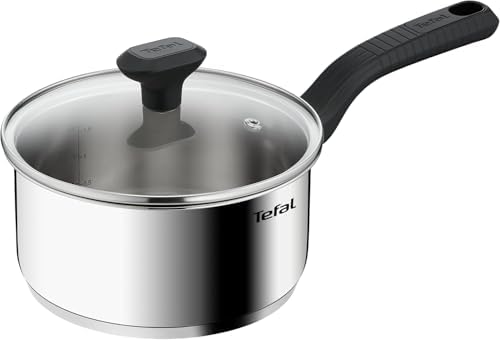
1. Saucepan
A saucepan is a versatile piece, perfect for boiling pasta, making sauces, reheating soups, and cooking grains. Small to medium sizes (1–3 liters) are ideal for most home kitchens. Features like a long handle, a lid, and a pouring spout enhance usability.
2. Frying Pan / Skillet
Frying pans or skillets are essential for everyday cooking. They are ideal for eggs, vegetables, meats, and quick sautéing. Non-stick versions simplify cleanup, while stainless steel or cast iron options allow for better searing and browning.
3. Stockpot
Stockpots are large, deep pots used for soups, stews, broths, and pasta. They are also excellent for cooking large batches of food for meal prep or entertaining. Look for pots with tight-fitting lids and sturdy handles for safe handling.
4. Sauté Pan
Sauté pans are similar to frying pans but with higher sides, making them perfect for cooking with sauces, braising, or one-pan meals. They offer more capacity and reduce splatter while keeping ingredients in the pan.
5. Grill Pans and Specialty Pans
Grill pans mimic the effect of outdoor grilling and are excellent for cooking meats and vegetables indoors. Specialty pans, such as wok pans or paella pans, allow for authentic cooking of regional dishes.
Materials Matter
The material of your pots and pans affects heat distribution, durability, maintenance, and the type of cooking you can do.
1. Stainless Steel
- Durable and resistant to rust
- Great for browning, searing, and deglazing
- Works with most cooking methods
- Often features aluminum or copper cores for better heat distribution
2. Non-Stick
- Prevents food from sticking, reducing oil or butter usage
- Ideal for eggs, pancakes, and delicate foods
- Easy to clean and beginner-friendly
- Coatings wear over time, requiring replacement
3. Cast Iron
- Excellent heat retention
- Perfect for searing, frying, and oven cooking
- Requires seasoning to maintain a natural non-stick surface
- Heavy but long-lasting with proper care
4. Aluminum or Copper Core
- Aluminum heats quickly and evenly
- Copper allows precise temperature control
- Often combined with stainless steel for durability and ease of cleaning
Many cooks choose to mix materials rather than rely on one type of cookware. This allows them to select the right pan for each cooking task.
Set vs Individual Pieces
Buying a Full Set
Cookware sets are convenient and ensure all pieces match aesthetically. However, they often include pieces you may rarely use. Sets are great for beginners looking to build a kitchen quickly.
Buying Individual Pieces
Purchasing individual pots and pans lets you focus on essentials and avoid clutter. You can gradually expand your collection based on cooking habits. A practical starter setup usually includes:
- 1 frying pan
- 1 saucepan
- 1 stockpot
- 1 sauté pan
Additional pieces can be added over time as your needs evolve.
Key Factors to Consider
Cooking Habits
Think about whether you cook daily or occasionally. Frequent cooking may justify investing in premium materials, while occasional cooks may prefer budget-friendly options.
Kitchen Size
Consider storage space. Some pans are bulky and require stackable or nested storage solutions.
Heat Source
Not all cookware works on every stove. Check if your pans are compatible with gas, electric, or induction cooktops.
Maintenance
Some materials, like cast iron, require seasoning. Non-stick pans need careful cleaning to avoid damaging the coating.
Budget
Investing in quality cookware often saves money in the long term. Durable pieces perform better and last longer, reducing the need for replacements.
How to Care for Your Pots and Pans
Proper care ensures longevity:
- Avoid using metal utensils on non-stick surfaces
- Hand-wash when possible
- Dry thoroughly to prevent rust
- Store carefully to prevent scratches
- Season cast iron pans regularly



Common Mistakes to Avoid
- Buying too many unnecessary pieces at once
- Ignoring material differences and compatibility
- Using cookware beyond recommended heat limits
- Improper cleaning or storage
Avoiding these mistakes helps maintain your cookware and improve your results.
Advanced Tips for Specific Cooking Needs
- Use stainless steel for browning meats and making sauces
- Reserve non-stick for delicate foods like eggs or fish
- Cast iron works best for oven-to-table meals
- Aluminum-core pans provide even heat for sautéing and frying
Frequently Asked Questions
1. Do I need a full cookware set?
Not necessarily. Start with essentials and expand gradually based on cooking habits.
2. Which material lasts the longest?
Cast iron and high-quality stainless steel are the most durable options.
3. Are non-stick pans safe?
Yes, modern non-stick pans are safe when used according to manufacturer guidelines.
4. Can I use metal utensils?
Avoid metal on non-stick surfaces. Stainless steel and cast iron can handle metal tools.
Building a Complete Cookware Collection Over Time
Start with the basics, then add specialty pans for specific cooking styles. Gradually investing ensures you buy only what you need while creating a versatile and functional kitchen.
Final Thoughts
A well-chosen set of pots and pans transforms everyday cooking. Instead of chasing trends or buying large, unnecessary sets, focus on essential pieces, durable materials, and tools that match your cooking style. Over time, you’ll build a practical cookware collection that supports every recipe—from quick breakfasts to full family meals. The right cookware makes cooking easier, more efficient, and more enjoyable, allowing you to focus on creating delicious meals rather than struggling with inadequate equipment. 🍳