

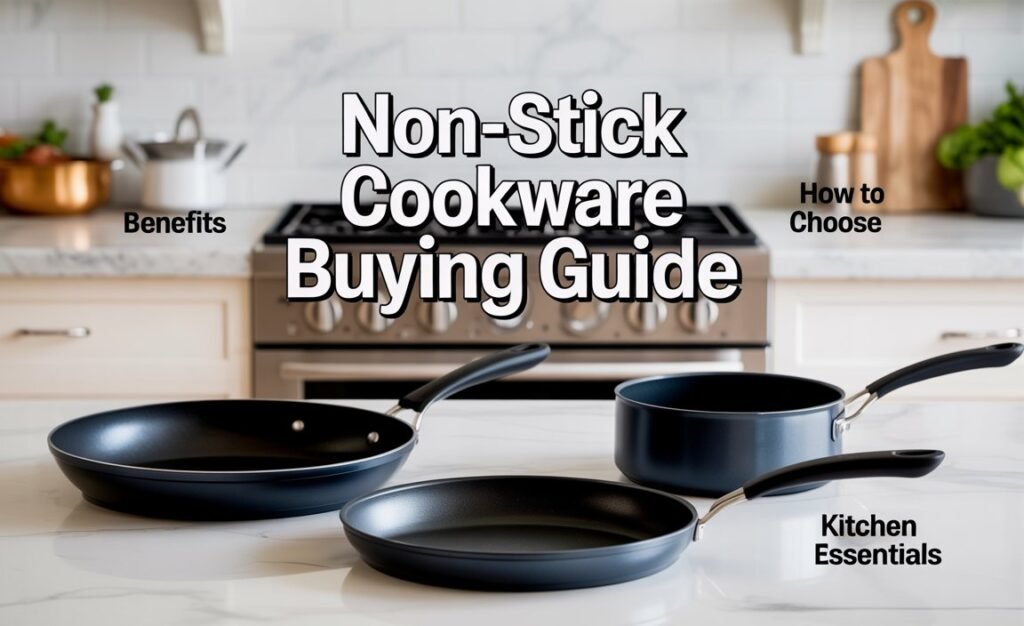
Non-Stick Cookware Buying Guide: How to Choose the Right Pots and Pans for Your Kitchen
Non-stick cookware has become one of the most popular kitchen essentials thanks to its convenience, ease of use, and ability to simplify everyday cooking. With a special coating that prevents food from sticking to the surface, it makes cooking easier and cleaning faster. In this buying guide, you’ll learn what non-stick cookware is, its benefits, drawbacks, and how to choose the right option for your kitchen.
Whether you cook daily meals, quick breakfasts, or simple dinners, the right cookware can make a major difference in both results and experience. Understanding how non-stick surfaces work and how to maintain them properly helps you get the best performance and longest lifespan from your kitchen tools.
What Is Non-Stick Cookware?
Non-stick cookware includes pots and pans coated with materials like PTFE (commonly known as Teflon) or ceramic to prevent food from sticking during cooking. These coatings allow food to slide off easily and reduce the need for oil or butter.
They are especially useful for delicate foods like eggs, pancakes, and fish, which tend to stick to traditional metal pans. The surface is designed to create a smooth barrier between food and the pan, helping prevent burning and making cooking more predictable.
Modern versions are engineered to improve durability, heat distribution, and overall performance, making them suitable for everyday cooking routines.
Why Non-Stick Cookware Is So Popular
The popularity of non-stick surfaces comes from their practicality. They reduce stress for beginner cooks and save time for experienced ones. Instead of worrying about food sticking, you can focus on timing, flavor, and presentation.
For busy households, this type of cookware supports fast meal preparation and easy cleanup, which makes it ideal for daily use. It’s also commonly used in small kitchens because it requires less effort and fewer additional tools.
Key Benefits
1. Easy Cooking and Cleanup
Food releases easily from the surface, making cooking smoother and cleaning quicker. Many items only require a gentle rinse or soft sponge.
2. Health-Conscious Cooking
Less oil or butter is needed, which supports lighter meals and balanced eating habits.
3. Beginner-Friendly
Great for people learning to cook. It reduces the chances of food sticking or burning.
4. Versatile for Daily Use
Suitable for frying, sautéing, reheating, and preparing quick meals.
5. Time-Saving
Faster cleanup and less preparation make it ideal for busy lifestyles.
Potential Drawbacks
1. Limited Lifespan
Coatings wear down over time and may need replacement depending on usage.
2. Sensitive to Scratches
Metal utensils and harsh scrubbers can damage the surface.
3. Heat Limitations
Very high temperatures can reduce coating performance.
4. Requires Proper Care
Needs gentler cleaning and handling than stainless steel or cast iron.
Types of Non-Stick Cookware
PTFE-Coated
- Most common and widely available
- Strong non-stick performance
- Affordable and accessible
Ceramic Coated
- Often marketed as PFAS-free
- Smooth surface and modern appearance
- Popular in eco-focused kitchens
Hard-Anodized Aluminum
- Durable base material
- Better heat distribution
- Stronger than basic aluminum
How Coating Technology Has Improved
Modern cookware is more durable and safer than older versions. Manufacturers now use multi-layer coatings, reinforced surfaces, and improved bonding techniques. These advancements help extend product lifespan and improve cooking consistency.
How to Choose the Right Non-Stick Cookware
Coating Quality
Multi-layer coatings last longer and perform better.
Material Base
Aluminum heats quickly; stainless-steel cores add strength.
Compatibility
Check for gas, electric, ceramic, or induction support.
Heat Tolerance
Choose according to your cooking style and recipes.
Handle Comfort
Ergonomic handles improve safety and usability.
Lid Quality
Glass lids help monitor cooking progress.
Best Uses in Everyday Cooking
Non-stick cookware works best for:
- Eggs and omelets
- Pancakes and crepes
- Fish fillets
- Stir-frying vegetables
- Reheating leftovers
These foods benefit from smooth release and gentle cooking.

- Swiss Non-Stick Coating – Switzerland ILAG nonstick granite coating. Free of Intentionally Added PFOA, smokeless, …
- Suitable For All Stoves – High magnetic conductive stainless steel base allows the frying pan to work on all cookt…
- Vesatile Saute Pan with Pour Spout- Size: 28cm/10-in diameter, 2.7″ tall, 3.3L capacity. Deep and large enough for…
Who Should Buy Non-Stick Cookware?
This type of cookware is ideal for:
- Beginners learning basic cooking
- Busy families preparing daily meals
- Students and small households
- Anyone who wants quick cleanup
- People cooking delicate foods frequently
Non-Stick vs Other Cookware Types
Stainless Steel
- Very durable
- Great for searing
- Requires more oil
Cast Iron
- Excellent heat retention
- Long lifespan
- Requires seasoning
Non-Stick
- Easy to use
- Quick cleanup
- Best for delicate foods
Each type serves a different purpose. Many kitchens benefit from using all three.
Care and Maintenance Tips
Proper care extends lifespan:
- Use wooden or silicone utensils
- Avoid metal tools
- Wash with soft sponges
- Let pans cool before washing
- Store carefully to prevent scratches
Common Mistakes to Avoid
- Overheating pans
- Using cooking sprays excessively
- Stacking without protection
- Cleaning with abrasive tools
Avoiding these mistakes helps maintain performance.
When to Replace Non-Stick Cookware
Signs include:
- Peeling or flaking surface
- Food sticking more often
- Uneven cooking results
Replacing worn items ensures safer and more effective cooking.
Building a Complete Cookware Setup
Start with essentials:
- Frying pan
- Saucepan
- Sauté pan
- Stockpot
Add specialty pieces later as needed.
Budget vs Premium Options
Budget
- Good for beginners
- Functional
- Shorter lifespan
Premium
- More durable
- Better heat performance
- Long-term value
Safety Considerations
Modern cookware is safe when used properly. Avoid extreme overheating and follow manufacturer instructions. Proper use minimizes risk and ensures long-term performance.
Final Thoughts
Non-stick cookware is a smart choice for everyday cooking thanks to its convenience, ease of use, and versatility. While it may not last as long as stainless steel or cast iron, choosing a high-quality set and maintaining it properly makes it a reliable kitchen essential.
Using moderate heat, proper utensils, and careful cleaning will help preserve performance for years. Whether you’re preparing quick breakfasts, simple dinners, or light meals, this cookware simplifies the process and improves the overall cooking experience.
Investing in the right tools allows you to cook more confidently, save time, and enjoy better results in the kitchen every day.

[…] Non-stick surfaces for convenience and quick cleaning […]