
which kitchen items are worth buying higher quality ?
Kitchen knives and cutting tools are the foundation of efficient, enjoyable cooking. Whether you’re chopping vegetables, slicing meat, or mincing herbs, the right blade turns everyday meal prep into a smooth, controlled process. Sharp, reliable tools make cooking faster, safer, and more precise, while poor-quality blades often lead to frustration and accidents.
Investing in the right cutting equipment doesn’t just improve speed—it improves confidence, consistency, and the overall quality of your dishes. This guide explores why good blades matter, the essential types every kitchen should have, how to choose wisely, and how to care for them so they last for years.
Why Kitchen Knives Matter in Everyday Cooking
A good blade is far more than a sharp edge. It is a precision tool designed to reduce effort and increase control. When ingredients are cut cleanly, they cook more evenly, release less moisture, and retain better texture and flavor.
Dull or poorly balanced tools often slip, requiring more force and increasing the risk of injury. In contrast, well-designed cutting tools glide through ingredients, allowing you to focus on technique instead of struggling with resistance.
Beyond safety, good blades improve presentation. Uniform cuts make vegetables cook evenly, meats slice cleanly, and herbs look fresh instead of bruised. Over time, this attention to detail noticeably elevates home-cooked meals.
The Core Types of Kitchen Knives Every Home Should Have
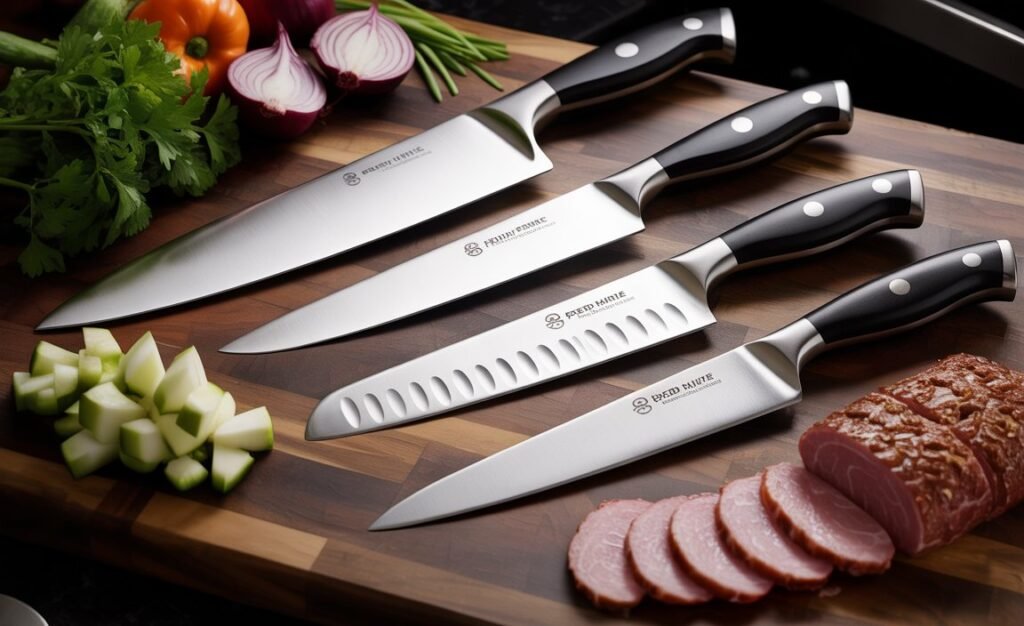
You don’t need dozens of blades to cook well. A small, well-chosen selection covers nearly every task.
1. Chef’s Knife
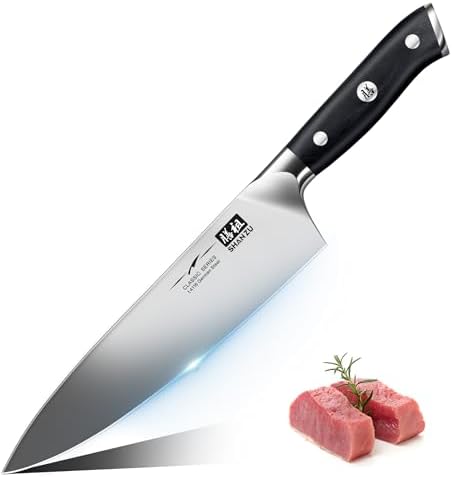
The chef’s knife is the most versatile tool in the kitchen. Its broad blade and curved edge make it ideal for chopping, slicing, dicing, and mincing. From vegetables and herbs to meat and poultry, this single tool handles the majority of prep work.
A good chef’s knife feels balanced in the hand and allows a smooth rocking motion on the cutting board, making it the true workhorse of cooking.
2. Paring Knife
Smaller and more precise, the paring knife is designed for tasks that require control rather than power. It excels at peeling fruit, trimming vegetables, removing seeds, and performing delicate cuts.
This knife is especially useful when working in your hand rather than on a board, offering accuracy for detailed preparation.
3. Bread Knife
A serrated blade is essential for cutting bread without crushing it. The saw-like edge grips crusty exteriors while protecting soft interiors.
Beyond bread, this knife is also useful for slicing tomatoes, cakes, and other foods with firm outsides and tender centers.
4. Utility Knife
Sitting between a chef’s knife and a paring knife, the utility knife is perfect for medium-sized tasks. It’s ideal when a large blade feels excessive but a small one lacks reach.
Many cooks use this tool for sandwiches, small fruits, or quick slicing jobs.
5. Carving or Slicing Knife
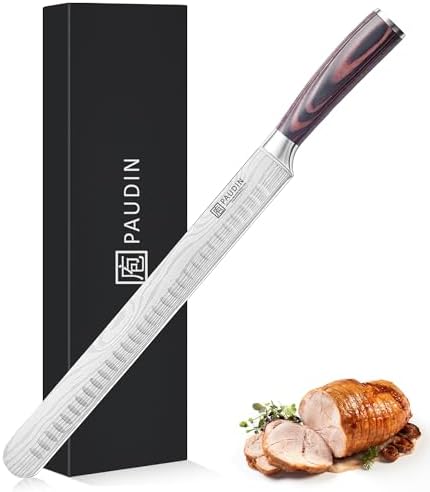
Designed with a long, narrow blade, carving knives create thin, even slices of cooked meat. They are particularly useful for roasts, poultry, and large cuts where presentation matters.
Essential Cutting Tools Beyond Knives
While blades do most of the work, additional cutting tools improve speed and efficiency.
Kitchen Shears
Heavy-duty kitchen scissors are incredibly versatile. They’re excellent for snipping herbs, cutting poultry, trimming fat, opening packaging, and even slicing pizza.
Mandoline Slicer
This tool produces uniform slices in seconds. It’s ideal for vegetables like potatoes, cucumbers, and onions, especially when consistency is important for baking or frying.
Peelers
A sharp peeler removes skins quickly with minimal waste. It’s faster and safer than using a blade for peeling tasks.
Graters and Zesters
From shredding cheese to zesting citrus, these tools add texture and flavor to dishes with ease.
Together with kitchen knives, these tools form a complete prep system for efficient cooking.
Choosing the Right Kitchen Knives for Your Needs
Not all blades are created equal. Selecting the right ones requires attention to materials, comfort, and balance.
Blade Material
- Stainless steel resists rust and requires minimal maintenance
- High-carbon steel holds a sharper edge but needs more care
- Ceramic blades are lightweight and sharp but can be brittle
Each material has advantages depending on how often you cook and how much maintenance you’re willing to do.
Handle Comfort and Ergonomics
The handle should feel secure and comfortable, even during long prep sessions. Ergonomic designs reduce hand fatigue and improve control, which is especially important when using kitchen knives daily.
Materials range from wood and plastic to composite and metal. The best choice is one that feels natural in your grip.
Balance and Weight
A well-balanced blade feels stable, not tip-heavy or awkward. Some cooks prefer heavier tools for power, while others like lighter ones for speed and agility. The right balance improves accuracy and reduces strain.
Edge and Sharpness
A sharper edge requires less force, making it safer and more efficient. Factory sharpness matters, but long-term performance depends on how well the blade maintains its edge over time.
Proper Knife Care and Maintenance
Even the best blades need care to perform well.
Cleaning
Always hand wash and dry immediately. Dishwashers can damage both blades and handles due to heat, moisture, and detergents.
Storage
Store tools in a knife block, magnetic strip, drawer insert, or protective sheath. Proper storage prevents dulling and reduces the risk of accidents.
Cutting Surfaces
Use cutting boards made from wood or plastic. Hard surfaces like glass, stone, or marble quickly dull edges.
Honing and Sharpening
- Honing realigns the edge and should be done regularly
- Sharpening removes material to restore sharpness and is needed less often
Consistent maintenance keeps kitchen knives safe, sharp, and reliable.
Safety Tips for Using Cutting Tools
Good technique is as important as good equipment.
- Keep fingers curled under when chopping
- Use a stable cutting board with a damp cloth underneath
- Never try to catch a falling blade
- Carry knives with the tip down and edge back
- Keep blades out of sinks where they can’t be seen
Safe habits reduce accidents and build confidence in the kitchen.
How Quality Blades Improve Cooking Results
Precision cutting affects how food cooks and tastes. Uniform pieces cook evenly, reducing the risk of undercooked or overcooked ingredients. Clean cuts also help vegetables retain moisture and color, while meats slice without tearing.
Over time, using well-made kitchen knives improves technique. You naturally develop better control, speed, and consistency, which elevates everyday meals.
Beginner vs Experienced Cook: What to Prioritize
For Beginners
- Start with a chef’s knife, paring knife, and bread knife
- Focus on comfort and ease of maintenance
- Avoid overly specialized tools at first
For Experienced Cooks
- Expand with specialty blades like carving or boning knives
- Choose higher-end materials for edge retention
- Customize tools based on cooking style
Building your collection gradually ensures every tool has a purpose.
Common Mistakes to Avoid When Buying Knives
Many people make these errors:
- Buying large sets instead of essential pieces
- Choosing style over comfort
- Ignoring balance and grip
- Using the wrong cutting surface
- Neglecting maintenance
Avoiding these mistakes ensures your investment in kitchen knives truly pays off.
Long-Term Value of Quality Cutting Tools
High-quality blades last for years, often decades, when properly cared for. They reduce prep time, improve safety, and make cooking more enjoyable.
Instead of replacing cheap tools frequently, investing once in well-made equipment saves money and frustration over time.
Creating an Efficient Prep Workflow
Good cutting tools streamline cooking:
- Faster ingredient preparation
- Cleaner, more organized workspaces
- Reduced physical effort
- Better consistency across recipes
When prep becomes easier, cooking feels less like a chore and more like a creative process.
Final Thoughts
Reliable kitchen knives and cutting tools are essential for anyone who cooks at home. They improve safety, precision, and efficiency while enhancing the quality and presentation of food.
By choosing the right blades, maintaining them properly, and using good technique, you transform everyday cooking into a smoother, more enjoyable experience. Whether you’re preparing simple meals or elaborate dishes, quality cutting tools support better results, greater confidence, and long-term satisfaction in the kitchen.and professional-looking. With the right tools, meal prep becomes effortless, allowing you to focus on creativity and flavor.