

Kitchen Cleaning Checklist: The Complete Guide to a Healthier, Organized Cooking Space
A well-structured kitchen cleaning routine is not just visually appealing — it is essential for hygiene, safety, and efficient cooking. From countertops to appliances, maintaining a spotless environment helps prevent bacteria, unpleasant odors, and clutter. When your space is tidy, meal preparation becomes faster, more enjoyable, and less stressful.
This comprehensive guide explains why cleanliness matters, what to do daily and weekly, and how to build habits that keep your cooking area fresh without spending hours scrubbing.
Why Kitchen Cleaning Matters
Maintaining a sanitary cooking space protects your household from foodborne illnesses, keeps ingredients fresh, and creates a comfortable environment for preparing meals. Surfaces that are regularly wiped and disinfected reduce the spread of germs and help avoid cross-contamination between raw and cooked foods.
Consistent care also prolongs the life of appliances, countertops, and cabinets. Grease buildup, moisture, and stains can slowly damage materials, but routine maintenance keeps everything in better condition for longer. Over time, this reduces repair costs and replacements.
Beyond health and durability, an organized environment improves focus and efficiency. When tools, utensils, and ingredients are easy to find, cooking becomes smoother and more enjoyable.
Building a Simple Daily Routine
A consistent daily system keeps dirt and clutter from accumulating. Instead of waiting until everything feels overwhelming, small actions throughout the day maintain order. Advice On Keeping Your Kitchen Clean.
Wipe countertops and tables
After every meal preparation, wipe surfaces using a mild cleaning solution or warm soapy water. This prevents residue buildup and keeps bacteria from spreading.
Clean dishes immediately
Avoid letting plates and utensils pile up. Washing them right after use prevents odors and makes the task easier.
Sweep or vacuum floors
Crumbs and spills attract insects and create sticky surfaces. A quick sweep each day keeps floors tidy.
Sanitize sinks and faucets
Sinks collect food particles and moisture, making them a breeding ground for germs. A simple rinse and disinfecting wipe keeps them fresh.
Empty trash regularly
Waste should be removed daily to prevent smells and contamination. Lining bins and sealing bags also improves hygiene.
These habits form the foundation of effective kitchen cleaning and help avoid heavy work later.
Weekly Deep Maintenance Tasks
While daily actions handle surface-level mess, deeper care once a week ensures long-term cleanliness.
Appliances
Wipe microwaves, ovens, and refrigerators inside and out. Remove spills, sanitize handles, and check for expired items.
Cabinets and drawers
Crumbs and dust often collect in storage areas. Wipe shelves and reorganize items to keep everything neat.
Floors
Mopping removes grease and stains that sweeping cannot handle. Pay attention to corners and under furniture.
Small appliances
Blenders, food processors, and coffee makers perform better when cleaned regularly. Residue buildup can affect taste and functionality.
Weekly routines support a more thorough kitchen cleaning strategy and prevent grime from becoming difficult to remove.
Monthly and Seasonal Tasks
Some areas require less frequent attention but should not be ignored.
- Clean behind large appliances
- Wash walls near cooking areas
- Inspect ventilation filters
- Organize pantry shelves
- Check for expired food items
These steps keep your cooking space fresh year-round and support a complete kitchen cleaning plan.
Tools That Make Cleaning Easier
Using the right equipment saves time and effort.
Microfiber cloths
They trap dust and absorb liquid effectively without scratching surfaces.
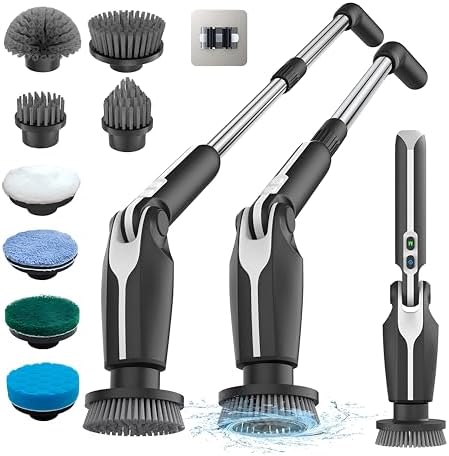
Scrub brushes and sponges
Ideal for removing stuck-on residue from pots, sinks, and countertops.
Disinfectants
Essential for killing germs and maintaining hygiene.
Gloves
Protect hands from harsh chemicals and hot water.
Storage organizers
Bins and dividers help maintain order after cleaning.
Choosing proper tools improves efficiency and supports consistent kitchen cleaning habits.
Natural Cleaning Alternatives
Many people prefer eco-friendly solutions for everyday use. Natural products can be just as effective when used correctly.
Vinegar
Cuts grease and eliminates odors.
Baking soda
Great for scrubbing stains and absorbing smells.
Lemon juice
Provides natural antibacterial properties and leaves a fresh scent.
Warm water and mild soap
Safe for most surfaces and effective for daily maintenance.
These options reduce chemical exposure while supporting a healthier kitchen cleaning routine.
Preventing Mess Before It Starts
Prevention is often easier than constant cleaning. Small habits reduce the need for deep scrubbing.
- Wipe spills immediately
- Use cutting boards to protect surfaces
- Cover food during storage
- Store items in sealed containers
- Avoid overcrowding countertops
Preventive actions simplify kitchen cleaning and maintain organization over time.
Organizing While You Clean
Decluttering is an important part of maintaining a tidy space. While wiping surfaces and washing dishes, take time to reorganize tools and supplies.
Drawer organization
Separate utensils by category for easier access.
Pantry management
Label containers and group similar ingredients.
Appliance storage
Keep frequently used items within reach and store others away.
An organized environment reduces stress and makes ongoing kitchen cleaning much easier.
Health Benefits of a Clean Cooking Space
A sanitary environment contributes directly to well-being.
- Reduces exposure to bacteria and allergens
- Prevents cross-contamination between foods
- Improves air quality by reducing grease buildup
- Supports healthier cooking habits
Maintaining strong kitchen cleaning practices creates a safer environment for everyone.
Efficiency and Productivity in the Kitchen
Cleanliness improves workflow and saves time.
- Tools are easier to locate
- Cooking becomes faster and more enjoyable
- Less time is spent searching for ingredients
- Preparation areas stay ready for use
An efficient setup encourages consistent habits and supports long-term kitchen cleaning success.
Protecting Appliances and Surfaces
Regular care keeps equipment functioning properly and prevents damage.
- Removes grease buildup from stovetops
- Prevents stains on countertops
- Protects cabinet finishes
- Extends appliance lifespan
These benefits show how important routine kitchen cleaning is for maintaining the value of your space.
Creating a Cleaning Schedule That Works
Consistency matters more than intensity. A simple plan helps maintain results.
Daily
- Wipe surfaces
- Wash dishes
- Sweep floors
Weekly
- Mop floors
- Clean appliances
- Sanitize storage areas
Monthly
- Deep-clean hidden areas
- Reorganize pantry and drawers
A structured schedule ensures kitchen cleaning becomes a habit instead of a chore.
Common Mistakes to Avoid
Many people unintentionally make cleaning harder by overlooking key steps.
- Ignoring small spills
- Using the wrong products on delicate surfaces
- Forgetting appliance interiors
- Overloading trash bins
- Delaying routine maintenance
Avoiding these errors keeps kitchen cleaning efficient and effective.
Maintaining Motivation and Consistency
Staying consistent is easier when routines are simple.
- Clean as you cook
- Set reminders for weekly tasks
- Keep supplies within reach
- Focus on one area at a time
Small actions performed regularly make kitchen cleaning feel manageable rather than overwhelming.
Benefits of a Clean and Organized Kitchen
A well-maintained space provides long-term advantages.
Healthier environment
Reduces germs, allergens, and contamination.
Easier meal preparation
A tidy space improves workflow.
Longer-lasting surfaces
Regular care prevents stains and damage.
Peace of mind
An organized environment feels calm and welcoming.
Final Thoughts
Keeping your cooking space in excellent condition does not require hours of effort. With a structured routine, the right tools, and preventive habits, maintaining order becomes part of everyday life. A consistent kitchen cleaning strategy improves hygiene, protects appliances, and creates a more enjoyable environment for preparing meals.
By combining daily habits, weekly maintenance, and occasional deep care, you can build a system that keeps everything fresh and organized. Over time, these practices turn into automatic routines that support a healthier, more efficient home.With daily habits and weekly deep-cleaning sessions, your kitchen will stay hygienic, organized, and ready for any culinary adventure.