

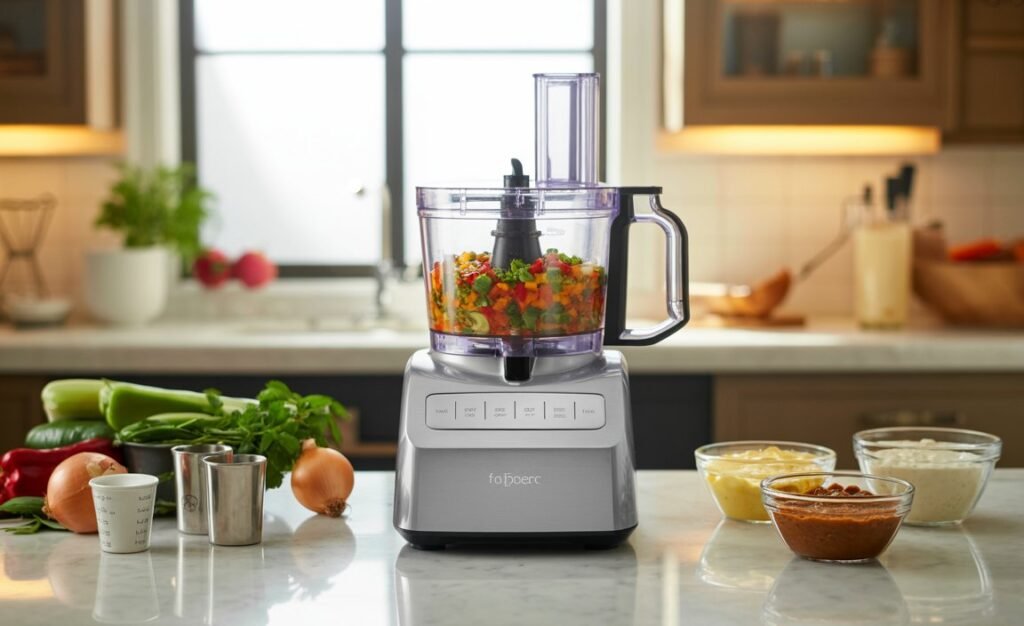
Food processor is one of the most versatile tools you can add to your kitchen. Whether you’re chopping vegetables, bleFood Processor Guide: The Ultimate Resource for Smarter Meal Preparation
A Food Processor is one of the most versatile appliances you can add to your kitchen. From chopping vegetables and blending sauces to kneading dough and preparing ingredients in minutes, this tool saves time and improves consistency in everyday cooking. For busy households and home cooks, it offers a practical way to simplify meal preparation without sacrificing quality.
Modern kitchens are built around efficiency, and multi-purpose appliances have become essential. With the right setup, you can reduce manual work, speed up preparation, and enjoy more creative cooking at home.
What Is a Food Processor?
A Food Processor is an electric appliance designed to perform multiple food preparation tasks such as slicing, chopping, shredding, grinding, and mixing. Thanks to interchangeable blades and attachments, it replaces several manual tools and streamlines complex preparation steps.
Whether preparing salads, sauces, dough, or dips, this appliance reduces prep time and helps produce more consistent results. Instead of using separate knives, graters, and mixers, one device can handle multiple tasks efficiently.
Why This Appliance Matters in Modern Kitchens
Cooking at home has evolved. People now look for speed, convenience, and versatility in their kitchen tools. A Food Processor fits perfectly into this shift by combining several functions in one compact unit.
Instead of spending long periods cutting vegetables or mixing ingredients manually, users can rely on automated performance. This allows more time for creativity, planning meals, and enjoying the cooking process itself.
Key Benefits of Using a Food Processor
1. Saves Time in Meal Preparation
Preparing ingredients manually can be time-consuming. With this appliance, chopping onions, slicing vegetables, or shredding cheese takes seconds instead of minutes. It’s especially helpful for batch cooking and large meals.
2. Multi-Purpose Functionality
One machine can perform many everyday tasks, including:
- Mixing ingredients
- Preparing sauces and dressings
- Kneading dough
- Grinding nuts or meat
- Pureeing vegetables
This flexibility makes the Food Processor a central tool in efficient kitchens.
3. Consistent Results
Uniform cuts and textures improve both presentation and cooking performance. Even slicing helps ingredients cook evenly, while smooth blending creates better sauces and dips.
4. Supports Healthy Cooking
Fresh meals become easier to prepare. Homemade sauces, chopped vegetables, and nutrient-rich recipes can be created quickly, reducing reliance on packaged foods.
Common Uses in Everyday Cooking
This appliance fits into daily routines and simplifies a wide range of tasks.
- Preparing vegetables for soups and stir-fries
- Making hummus, pesto, and dips
- Slicing potatoes and vegetables for baking
- Mixing batters and dough
- Creating baby food from fresh ingredients
- Chopping herbs for seasoning
Because of its versatility, a Food Processor often becomes one of the most frequently used appliances in the kitchen.
Types of Food Preparation Appliances
While all models perform similar tasks, there are different categories designed for specific needs.
Compact Models
Smaller units are ideal for quick tasks and limited counter space. They work well for chopping herbs, preparing sauces, and small portions.
Mid-Size Appliances
These are suitable for regular home use. They provide enough capacity for families while remaining easy to store.
Large Capacity Units
Designed for batch cooking and large households, these models handle dough, vegetables, and multiple ingredients at once.
Each type offers different advantages depending on cooking habits and available space.
How to Choose the Right Food Processor
Selecting the right model requires attention to several important factors.
Capacity
Small bowls are suitable for quick preparation, while larger ones are better for family meals and bulk cooking.
Power
Higher wattage handles tougher ingredients such as nuts, dough, and dense vegetables more efficiently.
Attachments and Accessories
Different blades and discs allow slicing, shredding, kneading, and blending. More attachments increase versatility.
Ease of Cleaning
Removable and dishwasher-safe parts simplify maintenance and encourage regular use.
Size and Storage
Choose a model that fits comfortably on your counter or can be stored easily when not in use.
A carefully selected Food Processor improves both convenience and long-term satisfaction.
Features That Improve Performance
Modern appliances often include advanced features designed to enhance usability.
- Pulse control for precision chopping
- Variable speed settings
- Safety locking systems
- Wide feed tubes for larger ingredients
- Durable blade materials
These features make the Food Processor more adaptable to different recipes and preparation styles.
Food Processor vs Other Kitchen Appliances
Many people compare this appliance to blenders or mixers. Each serves a different purpose.
What’s the difference between a food processor, a blender and a stand mixer
- Blenders are better for liquids and smoothies
- Mixers focus on baking tasks and dough preparation
- Processors handle solid ingredients, slicing, shredding, and chopping
Understanding these differences helps determine when a Food Processor is the best option.
Ideal for Meal Prep and Batch Cooking
Meal preparation has become increasingly popular for saving time and maintaining healthy habits. With one appliance, you can chop vegetables, prepare sauces, and mix ingredients in advance.
This makes weekly planning easier and reduces stress during busy days. A Food Processor supports efficient meal planning and helps maintain consistency in recipes.


Supporting Healthier Eating Habits
Cooking at home encourages better food choices. Fresh ingredients can be prepared quickly, making it easier to avoid processed products.
Homemade dips, sauces, and chopped vegetables promote balanced meals and greater nutritional control. Using a Food Processor regularly can support healthier routines.
Maintenance and Care Tips
Proper maintenance ensures durability and consistent performance.
- Clean blades after each use
- Avoid overloading the bowl
- Store attachments properly
- Dry components before reassembly
- Follow manufacturer instructions
Regular care keeps your Food Processor working efficiently for years.
Safety Considerations
Like any appliance with sharp blades, safety matters.
- Ensure the lid locks securely
- Keep hands away from moving parts
- Use pushers for feeding ingredients
- Unplug before cleaning
Following these steps makes using a Food Processor safe and comfortable.
Mistakes to Avoid When Buying
Many buyers focus only on price or appearance. Consider these factors instead:
- Capacity that matches your cooking needs
- Sufficient power for tough ingredients
- Availability of attachments
- Ease of cleaning
- Counter space compatibility
Avoiding these mistakes helps you choose a Food Processor that fits your lifestyle.
Long-Term Value for Home Kitchens
Investing in a versatile appliance reduces the need for multiple tools. Over time, this saves money and simplifies storage.
Durable materials and reliable performance make the Food Processor a long-term addition to any kitchen setup.
Encouraging Creativity in Cooking
This appliance allows experimentation with new recipes and preparation techniques.
- Homemade spreads and dips
- Fresh vegetable blends
- Custom spice mixes
- Dough for baking
With more possibilities available, the Food Processor supports creativity and confidence in cooking.
Final Thoughts
A modern kitchen benefits greatly from tools that simplify preparation and improve efficiency. This appliance saves time, delivers consistent results, and supports healthier eating habits.
Whether you are new to cooking or experienced in the kitchen, a Food Processor expands what you can create at home. It reduces repetitive work, encourages experimentation, and helps transform everyday cooking into a smoother, more enjoyable process.
By considering capacity, power, features, and maintenance, you can choose the right model to match your needs. With the right approach, this appliance becomes an essential part of a functional and organized kitchen, supporting better meals and smarter preparation every day.

[…] 2. Compact Food Processor […]