
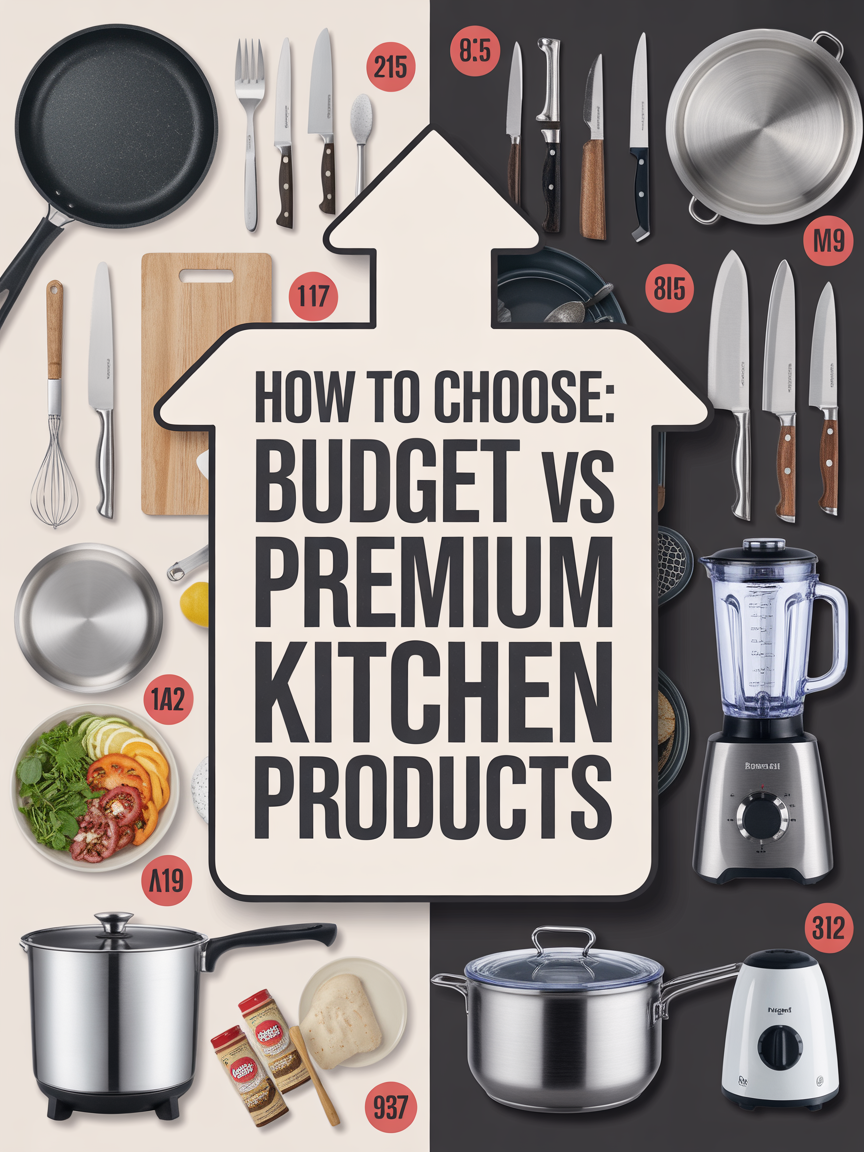
Budget vs Premium Cookware: Which One Should You Choose?
Choosing cookware is one of the most important decisions for anyone setting up or upgrading a kitchen. The debate around budget vs premium options is common because both categories offer clear advantages depending on your needs, cooking habits, and long-term expectations. Some people want simple tools that work well for everyday meals, while others prefer durable cookware designed for performance and longevity.
This guide explores the real differences, practical considerations, and how to make a smart decision based on your lifestyle. You’ll also discover ten actionable tips to help you choose wisely and build a kitchen that works for you.
Understanding Budget Cookware
Affordable cookware is designed to be accessible and practical. It covers essential cooking needs without requiring a large investment and is widely available in many materials and designs.
Advantages of Budget Options
- Lower upfront cost, making it easier to equip a kitchen quickly
- Ideal for beginners learning basic cooking techniques
- Lightweight and easy to handle
- Suitable for simple daily meals such as frying, boiling, and reheating
Limitations to Consider
- May wear out faster with frequent use
- Heat distribution may be less consistent
- Non-stick coatings may degrade sooner
- Not always suitable for advanced cooking techniques
For occasional cooks or those furnishing a kitchen for the first time, these products can provide good functionality without financial pressure.
Understanding Premium Cookware
Higher-end cookware is built for durability, performance, and long-term use. It often incorporates better materials and thoughtful construction to support consistent cooking results.
Advantages of Premium Options
- More even heat distribution for consistent results
- Durable construction designed for regular use
- Better control when cooking at different temperatures
- Long-term reliability and performance
Potential Drawbacks
- Higher initial cost
- Some materials are heavier
- Advanced features may not be necessary for basic cooking needs
This type of cookware is often preferred by people who cook frequently or want reliable tools that can last for years.
Key Differences in the Kitchen
Performance and Heat Control
High-quality cookware typically responds faster to temperature changes and distributes heat more evenly, helping reduce burning or uneven cooking.
Durability and Lifespan
Affordable options can work well initially but may require replacement sooner. Durable cookware, on the other hand, is designed to withstand frequent use.
Long-Term Value
A lower price may seem attractive, but repeated replacements can add up over time. Investing in durable cookware can reduce costs in the long run.
Cooking Experience
Reliable tools can make cooking smoother, more predictable, and more enjoyable, especially when preparing complex meals.
Materials Matter
The difference between product tiers is often influenced by materials:
- Stainless steel for versatility and durability
- Non-stick surfaces for convenience and quick cleaning
- Hard-anodized aluminum for balanced performance
- Cast iron for heat retention and multi-purpose use
Each material exists in both affordable and high-end versions, so quality can vary widely even within the same category.
10 Best Tips Choosing Between Budget or Premium
1. Assess Your Cooking Frequency
If you cook daily, durable cookware may provide better value. Occasional cooking may not require a high investment.
2. Start With Essentials
Focus on a few core items instead of large sets. Build your collection gradually based on actual needs.
3. Consider Long-Term Value
Think beyond the initial price. Durability and performance often determine real value over time.
4. Match Cookware to Your Skills
Beginners may benefit from simple, affordable tools, while experienced cooks may prefer advanced performance.
5. Evaluate Material Quality
Material often matters more than brand. Look for construction that supports consistent heating and reliability.
6. Balance Weight and Comfort
Heavy cookware retains heat well, but lighter pieces are easier to handle and store.
7. Check Compatibility
Ensure cookware works with your stove type and kitchen setup.
8. Avoid Overspending on Rarely Used Items
Specialty cookware may seem appealing but often stays unused.
9. Read Reviews and User Experiences
Real-world feedback helps identify durability, performance, and everyday usability.
10. Mix and Match
You don’t need to choose one category exclusively. Combining affordable pieces with a few durable investments can create a balanced setup.
Who Should Choose Affordable Options?
- People setting up a first kitchen
- Students or temporary residents
- Occasional home cooks
- Anyone prioritizing affordability and simplicity
These products offer practicality without requiring a significant commitment.
Who Should Choose Premium Options?
- Frequent home cooks
- Food enthusiasts experimenting with techniques
- Families preparing daily meals
- Anyone seeking long-term reliability
Durable cookware can support consistent cooking habits and reduce the need for replacements.
Building a Balanced Kitchen
Many households benefit from a hybrid approach. Instead of choosing only one category, consider blending both:
- Invest in a durable frying pan or saucepan for daily cooking
- Use affordable items for occasional tasks
- Upgrade gradually based on experience and needs
This strategy helps manage costs while improving overall performance.
Common Mistakes to Avoid
- Buying large cookware sets without a plan
- Choosing price over practicality
- Ignoring storage space
- Overlooking maintenance requirements
- Assuming higher cost always means better performance
Avoiding these mistakes leads to smarter purchasing decisions and a more functional kitchen.
Maintenance and Care
Regardless of price range, proper care extends the lifespan of cookware:
- Clean immediately after use
- Avoid metal utensils on delicate surfaces
- Store items carefully to prevent scratches
- Follow manufacturer guidelines for heating and cleaning
Maintenance plays a major role in long-term value.
The Role of Personal Preference
Cooking style, space, and habits influence the right choice. Some people value convenience and simplicity, while others prioritize control and performance. The best cookware is the one that supports your routine and makes cooking enjoyable.
Final Thoughts
The debate around budget vs premium cookware doesn’t have a single correct answer. Both categories serve different needs and can perform well when chosen thoughtfully. The most important factor is understanding how often you cook, what types of meals you prepare, and how long you want your cookware to last.
A smart decision focuses on value, practicality, and long-term usefulness rather than price alone. By choosing carefully, mixing product types, and maintaining them properly, you can create a kitchen that feels efficient, reliable, and enjoyable to use every day.

[…] Budget vs Premium Cookware […]