Physical Address
304 North Cardinal St.
Dorchester Center, MA 02124

Living in a compact home often means making smarter choices about the tools you use every day. A small kitchen requires thoughtful planning, especially when selecting cookware that supports efficient cooking without overwhelming limited space. The right pots and pans can transform a tight area of the small kitchen into a practical, organized place where preparing meals feels simple and enjoyable.
This guide explores how to choose cookware that fits comfortably, works efficiently, and helps maintain an organized environment. You’ll also discover practical ideas and ten actionable tips to improve organization and make the most of every inch.
When space is limited, every item must justify its place. Oversized pans, bulky lids, and rarely used specialty pieces quickly create clutter and make cooking less convenient. Selecting compact, versatile cookware improves workflow, keeps cabinets manageable, and allows you to move freely while preparing meals.
Efficient cookware supports daily routines by making storage easier and reducing the need for duplicate items. It also helps maintain a clean and functional environment where everything has a clear purpose.
Choosing cookware for a compact cooking area involves balancing size, versatility, and practicality. Here are the most important features to consider:
Smaller pans and pots are easier to store and handle. Sizes that support everyday cooking—rather than large gatherings—are usually more practical.
Stackable cookware reduces cabinet clutter and creates more room for other essentials. Nesting sets are especially useful when storage is limited.
Items that perform multiple roles reduce the total number of tools needed. For example, a sauté pan that can simmer sauces or a Dutch oven that handles baking and braising.
Lightweight cookware is easier to move and store. It also makes daily cooking more comfortable in compact environments.
Cookware that cleans quickly and resists stains helps maintain a tidy cooking area and reduces effort after meals.
Material choice influences performance, durability, and ease of use. Here are reliable options for compact spaces:
Durable, versatile, and suitable for most cooking styles. It works well for daily meals and doesn’t require special maintenance.
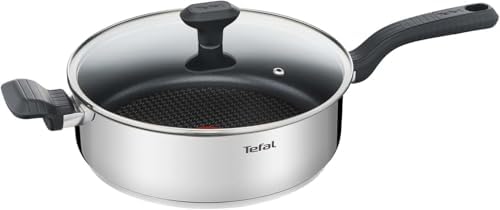
Perfect for quick meals and easy cleaning. Non-stick pans are lighter and help reduce the time spent scrubbing after cooking.
Balances performance and weight. It heats evenly and often comes in space-saving sets designed for modern homes.
Great for versatility, but choose one essential piece instead of multiple items to avoid overcrowding storage.
Instead of filling cabinets with rarely used tools, focus on a few core items:
These pieces cover most cooking needs without taking unnecessary space.
Remove items you don’t use regularly. This creates space and helps you understand what cookware is truly necessary.
Choose cookware that performs multiple tasks to reduce the number of items stored.
Install shelves or hooks to store lids, utensils, and frequently used pans.
Use nesting cookware and lid organizers to maximize cabinet efficiency.
Keep daily cookware accessible and place occasional items higher or deeper in storage.
Use dividers for utensils and small tools to prevent clutter and improve accessibility.
Keep only essential appliances visible to maintain a clean look and open workspace.
Transparent storage makes it easier to identify contents and avoid duplicate purchases.
Labels help maintain organization over time and make it easier to return items to their place.
Reassess your setup every few months and adapt it to your cooking habits.
Efficient storage ensures that cookware remains accessible without overwhelming the room.
Stack pans with protective liners and store lids vertically using racks.
Deep drawers work well for pots and pans when paired with dividers.
Hooks and rails keep frequently used tools within reach while freeing cabinets.
Use bins or caddies for cleaning supplies to keep them separate from cookware.
Choosing between budget and premium options depends on cooking habits and priorities.
Suitable for beginners or occasional cooking. They offer functionality without a high investment and are often lightweight and simple.
Ideal for frequent cooking. They provide durability, consistent performance, and long-term reliability.
Both options can work effectively when chosen thoughtfully and matched to actual needs.
Even well-intentioned purchases can lead to clutter if not planned carefully.
Avoiding these mistakes helps maintain a functional and efficient cooking environment in a small kitchen.
A well-organized environment supports both efficiency and comfort.
When everything is easy to find, cooking becomes quicker and more enjoyable.
Clutter can make cooking feel overwhelming, while organized storage creates a calm atmosphere.
Proper storage helps maintain ingredient freshness and reduces waste.
Clear workspaces reduce the risk of accidents and spills.
Maintaining cookware properly extends its lifespan and reduces replacement costs.
Organization is not a one-time task. Maintaining it requires small, consistent habits:
These habits help keep the cooking area practical and comfortable year-round.
The right cookware supports a smoother daily routine. A few intentional changes can make cooking easier:
A structured routine minimizes clutter and keeps tasks manageable.
A compact cooking area can still be highly functional with the right cookware and organization strategies. By prioritizing versatile tools, stackable designs, and thoughtful storage, it’s possible to create a space that supports everyday cooking without feeling crowded.
Focus on quality over quantity, keep only what you truly use, and maintain a consistent organization routine. With these strategies, even a limited space can become efficient, practical, and enjoyable for daily meal preparation.




[…] Choosing the Right Equipment for Your Kitchen […]
[…] Small kitchens […]
[…] Ignoring kitchen space […]