

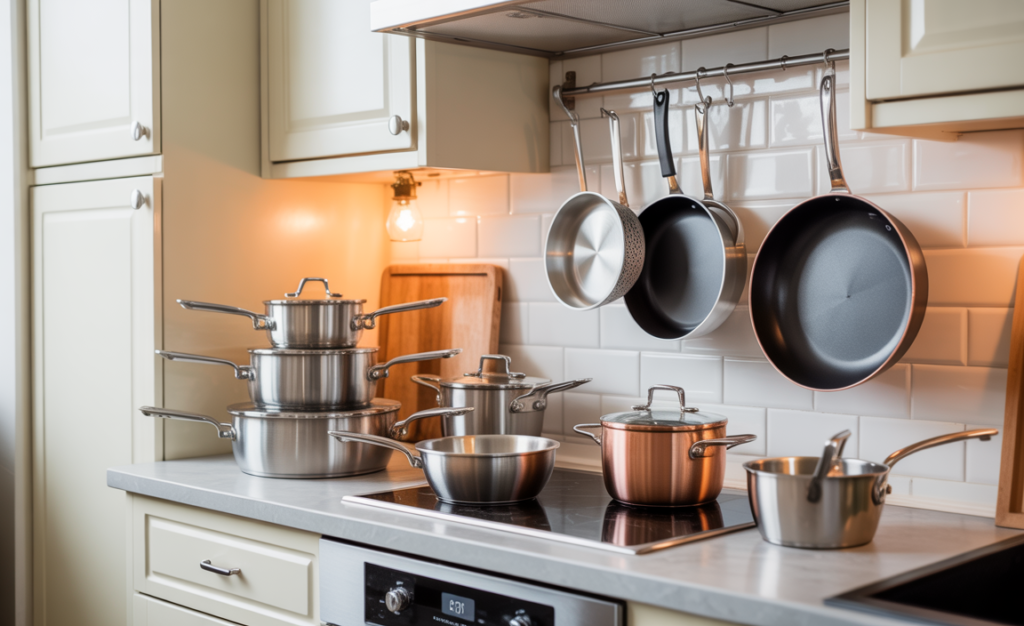
How to Choose the Best Cookware: A Complete Buying Guide
Choosing the right cookware can transform your time in the kitchen — making meals healthier, easier, and more delicious. With so many brands, materials, and styles available, it’s easy to feel overwhelmed. This buying guide breaks down everything you need to know to select the best cookware for your cooking style, budget, and kitchen needs.
🥘 What Is Cookware?
Cookware refers to the pots, pans, and other vessels you use to prepare food on your stovetop or in the oven. Great cookware improves heat distribution, reduces cooking time, and makes cleanup easier. The right set can elevate your everyday meals and help you cook with confidence.
🔎 Step 1: Think About How You Cook
Start by asking yourself:
- Do you cook daily or just on weekends?
- Do you prefer frying, sautéing, boiling, or slow-cooking?
- Will you use cookware for family meals or single servings?
Your answers will guide you toward the right pieces — whether that’s a basic set or specialized items like sauté pans or Dutch ovens.
🧠 Step 2: Cookware Materials Explained
Different materials affect performance, durability, and maintenance. Here’s a breakdown of the most common ones:
🍳 Stainless Steel
- Pros: Durable, non-reactive, easy to maintain
- Best for: Everyday cooking, browning, searing
- Tip: Look for multi-ply construction (layers of metal) for better heat distribution
🧪 Non-Stick
- Pros: Easy to clean, great for eggs and delicate foods
- Cons: Coating can wear off over time
- Best for: Beginners, everyday low-fat cooking
🧱 Cast Iron
- Pros: Excellent heat retention, long-lasting
- Cons: Heavy, requires seasoning
- Best for: Steaks, frying, slow-cooked dishes
🫙 Hard-Anodized Aluminum
- Pros: Durable, great heat conduction
- Cons: Usually more expensive
- Best for: Everyday use with professional-quality performance
🔥 Step 3: Choose Cookware Pieces That Fit Your Needs
Instead of buying a random set, focus on what you’ll actually use. Consider these essentials:
- Skillet/Frying Pan: Versatile for sautéing and frying
- Saucepan: Great for sauces, grains, and boiling
- Stockpot: Ideal for soups, stews, and pasta
- Sauté Pan: Deep sides make it perfect for one-pot meals
Pro tip: It’s better to start with a few high-quality pieces than a large set you’ll never use.
🧰 Step 4: Compatibility With Your Cooktop
Check what type of cooktop you have:
- Gas: Works with most materials
- Electric: Prefers flat-bottom cookware
- Induction: Only works with magnetic cookware (stainless steel or cast iron)
📌 If you have induction, look for cookware labeled “induction compatible.”
🧼 Step 5: Maintenance & Cleaning
Different materials require different care:
- Non-stick: Avoid metal utensils and high heat
- Stainless steel: Can handle more aggressive cleaning
- Cast iron: Needs seasoning and gentle dry storage
Understanding care instructions ensures your cookware lasts longer.
💰 Step 6: Setting Your Budget
Cookware price varies widely — and more expensive doesn’t always mean better for your needs.
- Entry level: Good for beginners and occasional use
- Mid-range: Great balance of performance and price
- Premium: Best for serious home cooks or frequent use
Decide what matters most — durability, performance, or price — before making your choice.
🏁 Final Tips Before You Buy
✔ Look at real customer reviews
✔ Compare warranty terms
✔ Consider a few individual pieces before buying a full set
Choosing the right cookware is an investment in your kitchen and your confidence as a cook. With the right information, you can find cookware that fits your style and helps you enjoy every meal you prepare.