
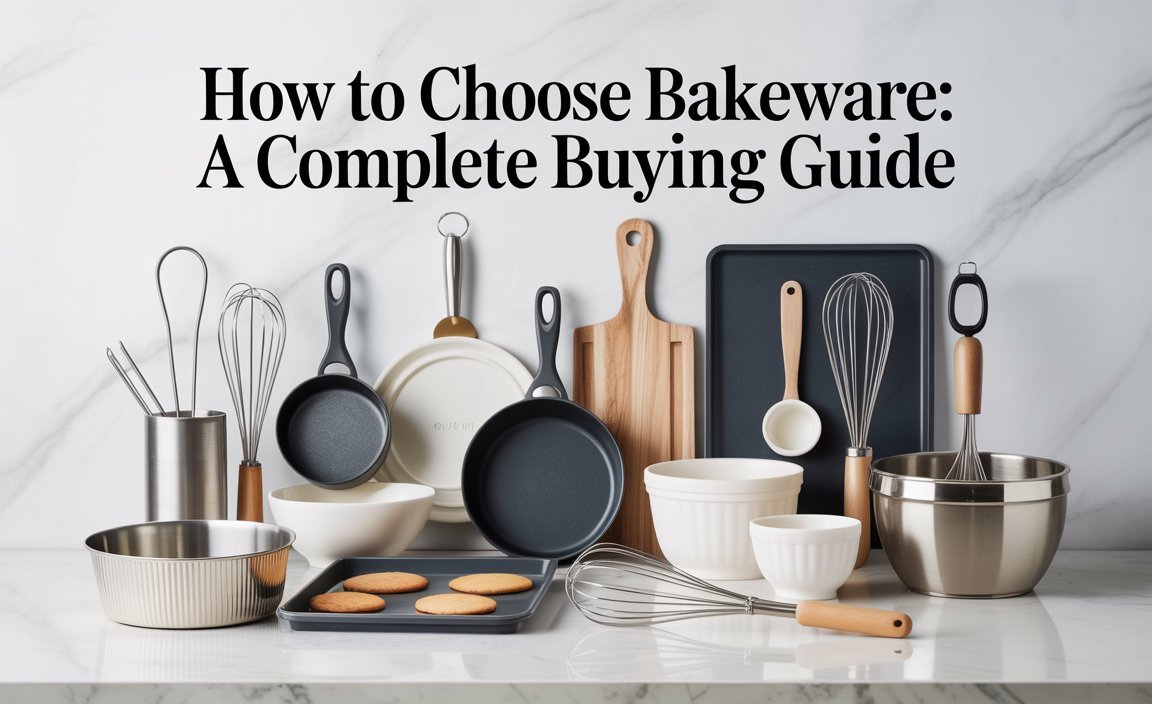
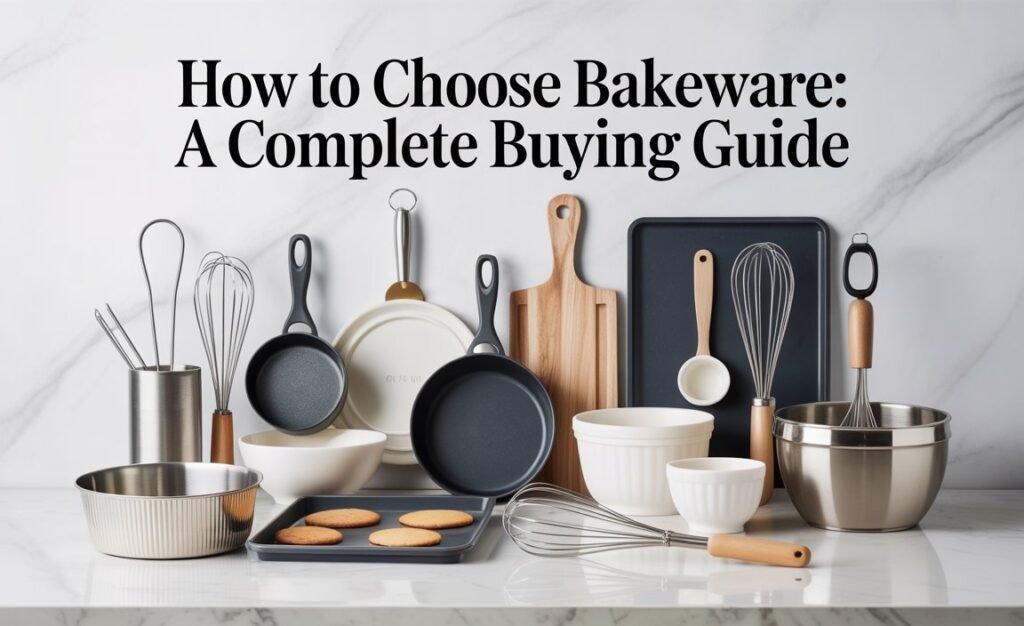
Bakeware Buying Guide: How to Choose the Right Tools for Your Kitchen
This buying guide will help you understand what to look for before choosing equipment for your kitchen, so you can make smarter choices and enjoy more consistent, delicious results every time you bake. The right tools improve heat distribution, simplify preparation, and make cleanup easier. Whether you bake occasionally or prepare oven meals weekly, selecting the proper items can make a major difference in both results and cooking experience.
Baking is not only about recipes; it also depends on the tools you use. Poor-quality pans can cause uneven cooking, burnt edges, or undercooked centers. Well-designed equipment supports reliable performance and helps you build confidence in the kitchen over time.
What Is Bakeware?
Bakeware includes all the tools used for baking in the oven, such as cake pans, baking sheets, muffin trays, roasting dishes, and casserole pans. These items are designed to withstand high temperatures while ensuring even cooking and proper structure for baked goods.
Different shapes and materials serve different purposes. Some are ideal for desserts, others for savory meals, and some for everyday cooking. Understanding these differences helps you choose items that match your needs and cooking habits.
Quality tools also reduce sticking, simplify cleaning, and improve durability, which makes them a long-term investment rather than a short-term purchase.
Types of Bakeware You Should Know (Bakeware set)
🍰 Cake Pans
Used for baking cakes and desserts. Available in round, square, and rectangular shapes. Springform versions are popular for cheesecakes, while deeper pans are ideal for layered cakes.
🍪 Baking Sheets
Ideal for cookies, roasted vegetables, and quick oven recipes. Flat surfaces allow better heat exposure and faster cooking.
🧁 Muffin & Cupcake Trays
Perfect for portioned baking and easy serving. They help maintain uniform size and texture.
🥘 Casserole Dishes
Great for baked meals like lasagna, gratins, and roasted dishes. These are essential for family cooking and meal preparation.
🍞 Loaf Pans
Designed for bread, banana loaf, and similar recipes. Their structure supports rising and consistent baking.



Materials Explained
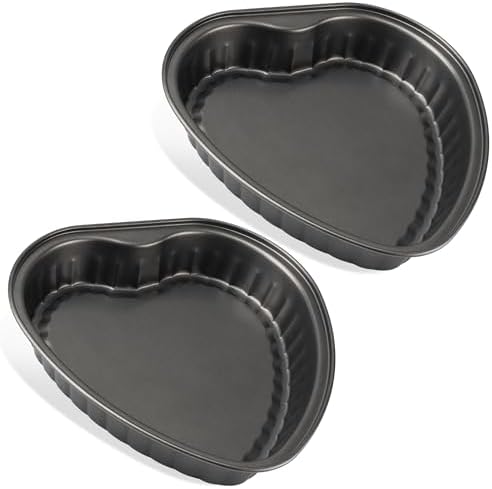
The material affects heat distribution, cooking time, durability, and overall performance.
Metal Options
- Heat quickly and evenly
- Ideal for cookies, cakes, and roasting
- Lightweight and easy to store
- Often preferred by experienced home bakers
Glass Options
- Retain heat well
- Ideal for casseroles and baked dishes
- Allow easy monitoring during cooking
- Good for serving directly at the table
Ceramic Options
- Attractive and oven-to-table friendly
- Hold heat longer
- Good for slow baking and serving
- Often used for presentation as well as cooking
Silicone Options
- Flexible and easy to release food
- Lightweight and space-saving
- Ideal for muffins and small baked items
- Popular for beginners due to convenience
How Material Impacts Cooking Results
Choosing the right material changes how food cooks:
- Metal heats faster and produces crisp edges
- Glass cooks slowly and evenly
- Ceramic keeps food warm longer after baking
- Silicone prevents sticking but may require support trays
Understanding this helps avoid overcooking, undercooking, and uneven textures.
Choosing the Right Bakeware Equipment for Your kitchen
Consider Your Baking Habits
Think about what you prepare most often:
- Desserts → cake pans and muffin trays
- Everyday meals → casserole dishes
- Bread → loaf pans
- Quick snacks → baking sheets
Matching tools to your cooking style prevents unnecessary purchases.
Focus on Versatility
Multi-use items reduce clutter and save money. A roasting dish, for example, can be used for vegetables, meats, and pasta dishes.
Check Oven Compatibility
Some materials perform differently in convection vs conventional ovens. Always check temperature limits.
Storage Matters
Stackable and compact items are ideal for small kitchens. Space-saving tools improve organization and accessibility.
Beginner vs Experienced Home Bakers
For Beginners
Start simple. Focus on essentials that cover multiple recipes.
For Experienced Bakers
Invest in specialized shapes, premium materials, and durable pieces that improve performance over time.
Budget vs Premium Options
Budget Choices
- Great for beginners
- Functional and affordable
- Suitable for occasional baking
Premium Choices
- Better durability and heat performance
- More consistent results
- Long-term kitchen investment
Higher-end products often last longer and maintain performance after repeated use.
Essential Pieces to Start With
If you’re building a basic baking setup, begin with:
- One baking sheet
- One cake pan
- One casserole dish
- One muffin tray
- One loaf pan
These cover most baking needs without overcrowding your kitchen.
Common Mistakes When Choosing Bakeware
- Buying too many items at once
- Ignoring material differences
- Choosing wrong sizes for your oven
- Not checking temperature limits
- Prioritizing appearance over performance
Avoiding these mistakes saves money and improves results.
Care and Maintenance Tips
Proper care extends lifespan and performance.
- Avoid metal utensils on non-stick surfaces
- Wash after cooling to prevent warping
- Store stacked carefully
- Follow manufacturer temperature limits
- Dry thoroughly to prevent damage
Good maintenance keeps tools reliable for years.
How to Build a Complete Baking Setup Over Time
Start small, then expand gradually:
- Basic pans
- Specialty trays
- Roasting dishes
- High-quality replacements
- Storage solutions
This prevents overspending and builds a functional kitchen step by step.
Bakeware for Different Cooking Styles
Dessert Lovers
Focus on cake pans, muffin trays, and non-stick surfaces.
Meal Prep Enthusiasts
Prioritize casserole dishes and roasting pans.
Bread Makers
Invest in loaf pans and durable metal options.
Small Kitchens
Choose compact, stackable pieces.
Final Thoughts
The best bakeware depends on what you cook, how often you bake, and how much space you have. Focus on versatile pieces, reliable materials, and sizes that match your needs. Over time, investing in the right tools makes baking easier, more consistent, and more enjoyable.
A well-equipped kitchen supports creativity and confidence. Instead of struggling with uneven results, you can focus on recipes, flavors, and presentation. Whether preparing desserts for family or meals for the week, the right tools make every step smoother and more rewarding.
Building your collection gradually, learning how each item performs, and maintaining it properly will help you get the best value and long-term performance from your kitchen setup.
Disclosure : “As an Amazon Associate, I earn from qualifying purchases”