
Cast Iron vs Stainless Steel Cookware: Which Should You Choose?
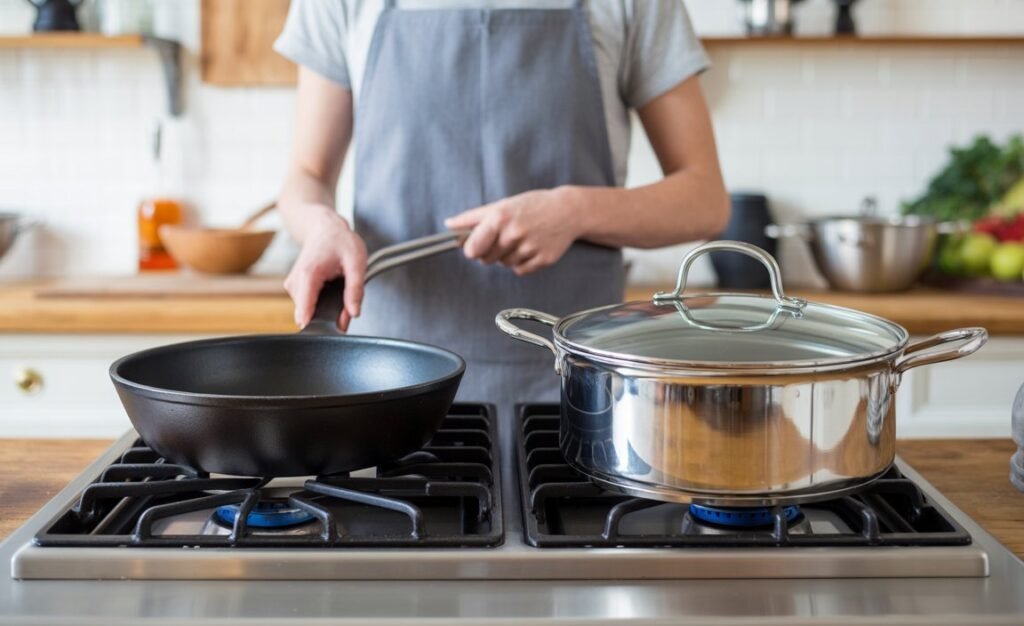
Choosing between cast iron vs stainless steel cookware is one of the most common decisions home cooks make when building a kitchen. Both are durable, trusted, and widely used by beginners and professionals alike. However, they are not interchangeable. Each material has unique strengths, weaknesses, and ideal uses.
If you are wondering whether cast iron cookware or stainless steel cookware is better for your cooking style, this guide will help you make the right choice. We will compare heat performance, durability, maintenance, versatility, cooking results, and value so you can decide which cookware deserves a place in your kitchen.
In reality, there is no universal winner. The best option depends on what you cook most often, how much maintenance you are comfortable with, and whether you prioritize searing power, convenience, or versatility. Let’s take a closer look.
What Is Cast Iron Cookware?
Cast iron cookware has been used for generations and is famous for its strength, heat retention, and ability to improve with age. Traditional cast iron pans are made by pouring molten iron into a mold, creating thick, heavy cookware that can withstand very high temperatures.
One of the biggest reasons home cooks love cast iron is its ability to hold heat for a long time. Once hot, it stays hot. This makes it excellent for tasks like searing steak, frying chicken, baking cornbread, and slow-cooking dishes that benefit from steady heat.
With proper care, cast iron can last for decades or even generations. Many families still cook with cast iron skillets that are older than they are.
Advantages of Cast Iron Cookware
Cast iron offers several major benefits:
- Excellent heat retention
- Great for searing, frying, and baking
- Very durable and long-lasting
- Works on stovetops, ovens, grills, and campfires
- Can develop a naturally nonstick surface through seasoning
Because it retains heat so well, cast iron is often the first choice for recipes that need a strong, consistent cooking surface.
Limitations of Cast Iron Cookware
Despite its strengths, cast iron is not perfect:
- Heavy and harder to lift
- Requires seasoning and regular maintenance
- Longer to heat up
- Can rust if not dried and stored properly
- Not always ideal for delicate or acidic foods
Traditional cast iron needs more care than stainless steel. For some cooks, that maintenance is part of the charm. For others, it feels like extra work.
What Is Stainless Steel Cookware?
Stainless steel cookware is one of the most popular choices for modern kitchens because it is versatile, durable, and low maintenance. Most high-quality stainless steel pans are made with multiple layers, often including aluminum or copper in the core to improve heat distribution.
Unlike cast iron, stainless steel is lighter, easier to clean, and faster to respond to temperature changes. This makes it especially useful for everyday cooking, sautéing vegetables, boiling pasta, simmering sauces, and preparing meals that require more control.
Professional kitchens often rely heavily on stainless steel because it performs well across a wide range of cooking tasks and does not require seasoning.
Advantages of Stainless Steel Cookware
Stainless steel has many practical benefits:
- Resistant to rust and corrosion
- Easy to clean and maintain
- Lighter than cast iron
- Great for daily cooking
- Suitable for browning, sautéing, boiling, and simmering
- Does not require seasoning
For busy home cooks, stainless steel is often the more convenient option. It offers reliability without the upkeep that cast iron demands.
Limitations of Stainless Steel Cookware
Stainless steel also has a few drawbacks:
- Does not retain heat as long as cast iron
- Food can stick if the pan is not properly preheated
- Lower-quality pans may heat unevenly
- Less naturally nonstick than seasoned cast iron
Cooking with stainless steel often requires a bit more technique, especially when it comes to preheating and using enough oil. Once you learn how to use it properly, though, it becomes one of the most versatile cookware materials available.
Cast Iron vs Stainless Steel: Key Differences
When comparing cast iron vs stainless steel cookware, the most important differences come down to cooking performance, maintenance, and everyday usability.
1. Heat Retention and Heat Response
This is where cast iron stands out the most. Cast iron takes longer to heat up, but once it is hot, it stays hot. That makes it excellent for high-heat cooking, deep browning, and recipes that benefit from stable temperatures.
Stainless steel heats faster and responds more quickly when you raise or lower the heat. This gives you more precision, which is especially useful for sauces, eggs, vegetables, and other foods that can overcook easily.
Best for heat retention: Cast iron
Best for responsive temperature control: Stainless steel
2. Cooking Performance
Cast iron is a powerhouse for searing and frying. It creates a beautiful crust on meats and performs very well in the oven. It is also excellent for rustic dishes like skillet cornbread, roasted chicken, and baked pasta.
Stainless steel shines in tasks that need flexibility. It is great for sautéing, boiling, steaming, pan sauces, and browning ingredients before deglazing. It is often the better choice for cooks who prepare a wide variety of meals.
Best for searing and oven cooking: Cast iron
Best for all-around daily cooking: Stainless steel
3. Maintenance and Cleaning
If ease of care matters most, stainless steel wins. It does not need seasoning, does not rust easily, and can usually handle stronger cleaning methods. Many stainless steel pieces are dishwasher-safe, although hand washing is still recommended for long-term appearance.
Cast iron needs more attention. It should be dried thoroughly after washing and lightly oiled when needed. Traditional cast iron also benefits from regular seasoning to maintain its protective surface.
Best for low maintenance: Stainless steel
Best for cooks willing to maintain cookware: Cast iron
4. Durability and Lifespan
Both materials are extremely durable, but they age differently. Cast iron can last for generations if cared for properly. It is nearly impossible to wear out, though it can crack if dropped.
Stainless steel is highly durable in day-to-day use. It resists dents, corrosion, and staining better than many other materials. While it may not have the same heirloom reputation as cast iron, high-quality stainless steel cookware can still last for many years.
Best for heirloom longevity: Cast iron
Best for easy everyday durability: Stainless steel
5. Weight and Handling
This is one of the most obvious differences. Cast iron is much heavier than stainless steel. A large cast iron skillet can be difficult to lift, especially when full.
Stainless steel is easier to handle, making it more practical for quick meals, frequent stirring, and cooks who prefer lighter cookware.
Best for lighter handling: Stainless steel
6. Cooking Acidic Foods
Stainless steel is usually the better option for acidic ingredients like tomatoes, vinegar, lemon juice, or wine-based sauces. It is non-reactive and handles these foods very well.
Traditional cast iron can sometimes react with acidic foods, especially if the seasoning layer is weak. Short cooking times are usually fine, but long acidic simmering is better done in stainless steel.
Best for acidic foods: Stainless steel
When to Choose Cast Iron Cookware
Cast iron is a great choice when your cooking style focuses on high heat, flavor development, and oven versatility. It is especially useful for home cooks who enjoy hearty dishes and don’t mind a little extra maintenance.
Choose cast iron if:
- You love searing steaks, burgers, or chops
- You often fry food
- You make oven-finished meals
- You want cookware that can last a lifetime
- You appreciate traditional cookware with character
Cast iron is ideal for cooks who want strong performance and do not mind learning how to season and care for their pans.
When to Choose Stainless Steel Cookware
Stainless steel is often the better option for people who cook often and want dependable cookware that works across many recipes. It is practical, clean-looking, and easier to manage on a daily basis.
Choose stainless steel if:
- You cook every day
- You want low-maintenance cookware
- You need one pan for many cooking methods
- You make sauces, soups, pasta, and sautéed dishes
- You prefer lighter cookware that is easier to move
For many kitchens, stainless steel becomes the everyday workhorse because it balances performance with convenience.
Budget vs Premium: Does Quality Matter?
Both cast iron cookware and stainless steel cookware come in budget and premium options. The good news is that even affordable versions can perform well.
With cast iron, budget-friendly pans often cook very well, though they may have rougher surfaces or less refined finishing. Premium cast iron usually offers smoother interiors, better handles, and improved craftsmanship.
With stainless steel, price often has a bigger impact on performance. Premium pans usually have better multi-layer construction, more even heating, stronger handles, and better overall balance. Cheap stainless steel pans may develop hot spots and perform less consistently.
If you are a beginner, an affordable cast iron skillet or a mid-range stainless steel pan can be an excellent starting point. If you cook frequently, investing in higher-quality cookware may pay off over time.
Which Cookware Is Better for Most Home Cooks?
For most home cooks, stainless steel cookware is the more versatile and convenient choice. It handles a wider range of recipes, requires less maintenance, and is easier to use every day.
However, cast iron cookware is hard to beat for searing, baking, frying, and long-term durability. It offers a unique cooking experience that many people love.
That is why many experienced cooks choose not to pick just one. Instead, they keep both in the kitchen and use each material for what it does best.
Final Verdict: Cast Iron vs Stainless Steel Cookware
So, cast iron vs stainless steel cookware — which should you choose?
The answer depends on your priorities.
Choose cast iron if you want superior heat retention, powerful searing, and cookware that can last for generations with proper care.
Choose stainless steel if you want versatility, easy maintenance, quick temperature control, and a dependable option for everyday cooking.
There is no single best cookware material for everyone. Both cast iron and stainless steel are excellent choices, and each brings something valuable to the kitchen. For many home cooks, the smartest solution is to own both: a cast iron skillet for high-heat cooking and a stainless steel pan or pot for daily meals.
When used together, they cover almost every cooking style, recipe, and kitchen need.